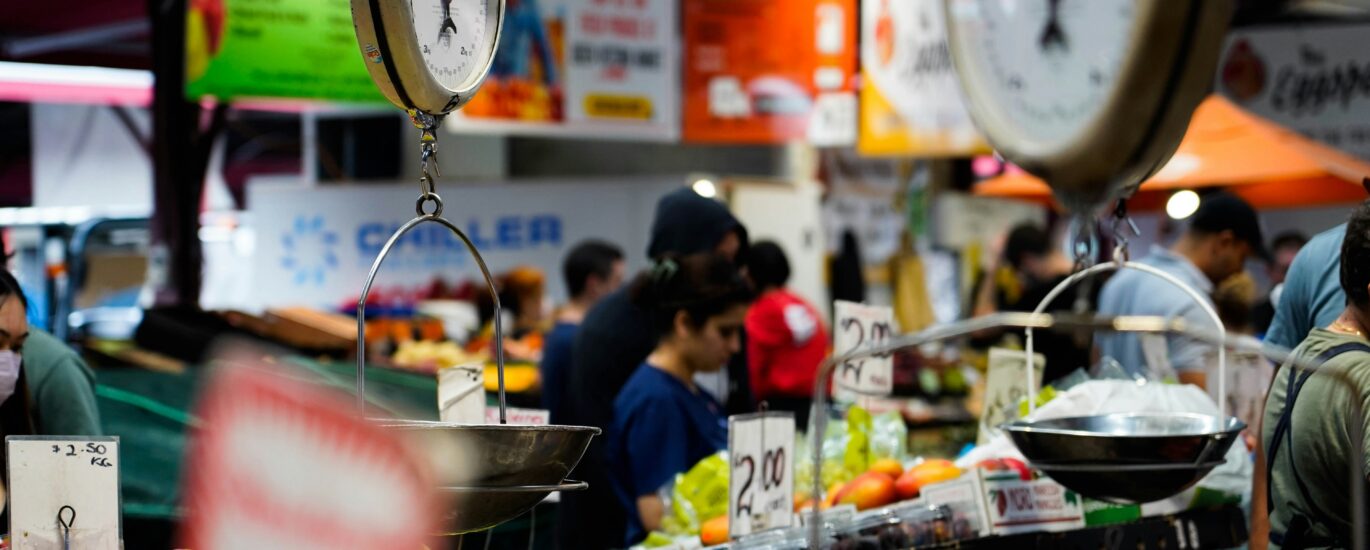
Food prices continue to rise. According to the September bulletin of the FAO, overall food prices increased by 1.9 per cent. This increase was driven by a modest rise in the prices of vegetable oils (+0.6%) and meat (+1.0%), a more significant increase in the prices of cereals (+2.2%) and dairy products (+2.3%), and a substantial increase (+11.9%) in the price of sugar.
The upward trend in food prices is the result of several factors, ranging from rising fuel costs and climate change to the fact that India has increased its demand for sugar.
The solutions are relatively clear: climate change must be addressed; fuel costs should be reduced; and international trade should be promoted, as it has been partly disrupted by wars and sanctions.
Much less clear, however, is how these problems can be effectively addressed and resolved. What is certain is that governments, both in developing countries and in more economically advanced nations, should begin to pay greater attention to food price trends.
Food prices are measured by the FAO Food Price Index, which currently stands at 133.3 points. This is considerably lower than the 144.5 points recorded in 2022, but, with the exception of 2022, it represents the highest level since 2009. Only in 2011 and 2022 did the Food Price Index exceed 130 points. This year, the index surpassed 130 points in April, May, June, July, and August.
As prices rise, wages have largely remained unchanged, resulting in a decline in purchasing power.
More importantly, as prices increase, public dissatisfaction grows. This, in turn, may eventually lead either to lower electoral participation or to protest voting.
Riccardo Pelizzo
Professor and Dean, Graduate School of Public Policy, Nazarbayev University, Kazakhstan
This article was first published in Il Mattino di Verona and is republished on this website with the author’s permission.