The dynamics of the transportation policy in Yogyakarta, Indonesia, examining the administration’s endeavors to structure transportation for sustainability. Employing a qualitative method with a case study approach, the study utilized an interactive model and NVivo 12 Plus qualitative data analysis software for data analysis. The findings underscored a range of initiatives that Yogyakarta’s government must undertake to foster sustainable transportation, encompassing transportation policies, infrastructure development, and public awareness.
Notably, Yogyakarta lacks specific regulations serving as the foundation for implementing sustainable transportation in the region. The integration of sustainable transport only recently emerged as a developmental priority in the 2020–2024 regional mid-term development plan, highlighting a lag in the Indonesian government’s advocacy for sustainable transport at both national and regional levels. Regarding sustainable transport infrastructure, Yogyakarta has implemented the Trans Jogja rapid bus system for public transportation. However, the effectiveness of Trans Jogja has been suboptimal, as it is perceived to be insufficient in meeting community needs, compelling Yogyakarta residents to resort to private vehicles for daily mobility.
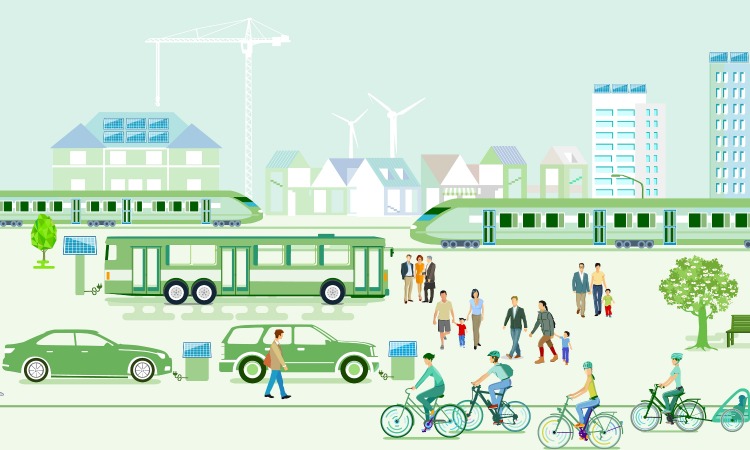
Recognizing these challenges, the Yogyakarta government is currently focused on developing electric energy-based public transportation (electromobility), a more environmentally friendly alternative that eliminates the use of fuel oil and reduces emissions. This initiative represents a strategic move towards fostering sustainability in the region’s transportation landscape. To read the full discussion of this issue, you can visit the following link: click here.